
Hair Loss Medication
Oral Minoxidil
A systemic, once-daily prescription option for progressive hair loss in men and women.
Low-dose oral minoxidil is a prescription medication that stimulates hair growth through systemic delivery — offering consistent absorption, no scalp application, and equal coverage across the entire scalp. Used at a fraction of its original cardiovascular dose, it has demonstrated strong clinical efficacy for androgenetic alopecia, diffuse thinning, and several other hair loss conditions. It is particularly well-suited to patients who have experienced limited compliance or results with topical minoxidil.
Quick Stats:
Typical Dose: 0.625mg – 5mg daily
Onset of Effect: 3 – 4 months
Administration: Once daily, oral
Prescription required: Yes
Expertly-Crafted Results
Treatment Images


Alistair's Result
 Performed By Dr. Raja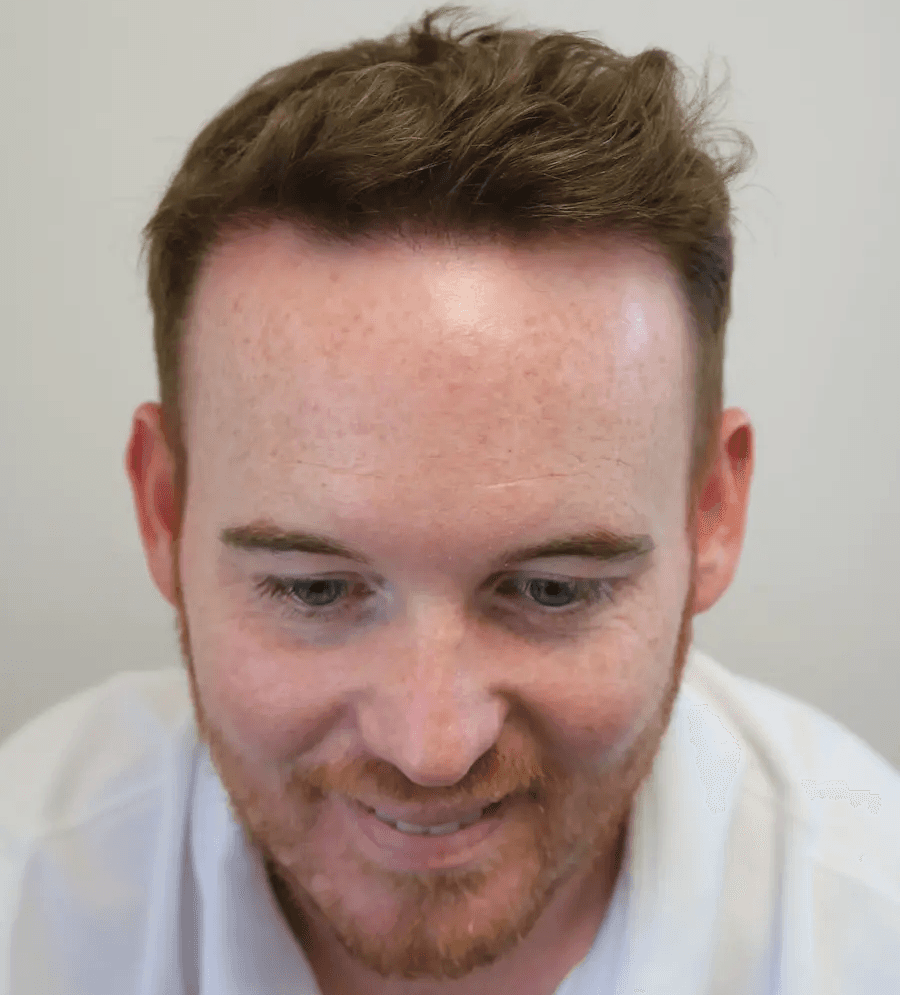
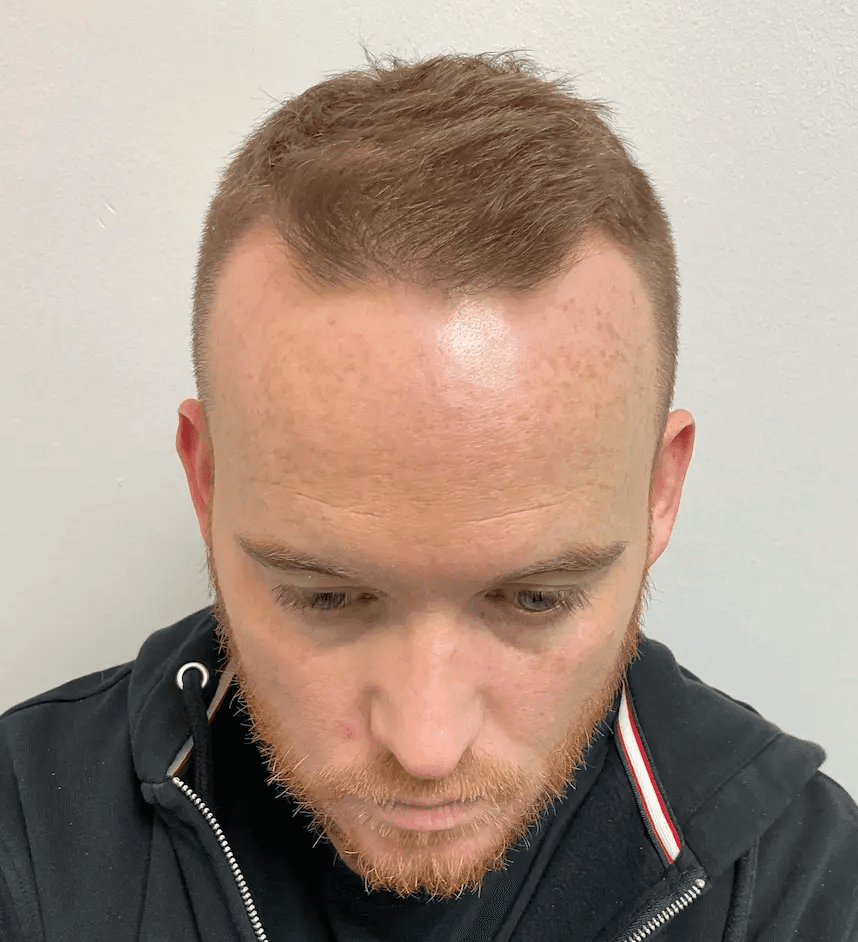
Ross's FUE Hair Transplant
 Performed By Dr. Khan

Sean's FUE Hair Transplant
 Performed By Dr. Raja
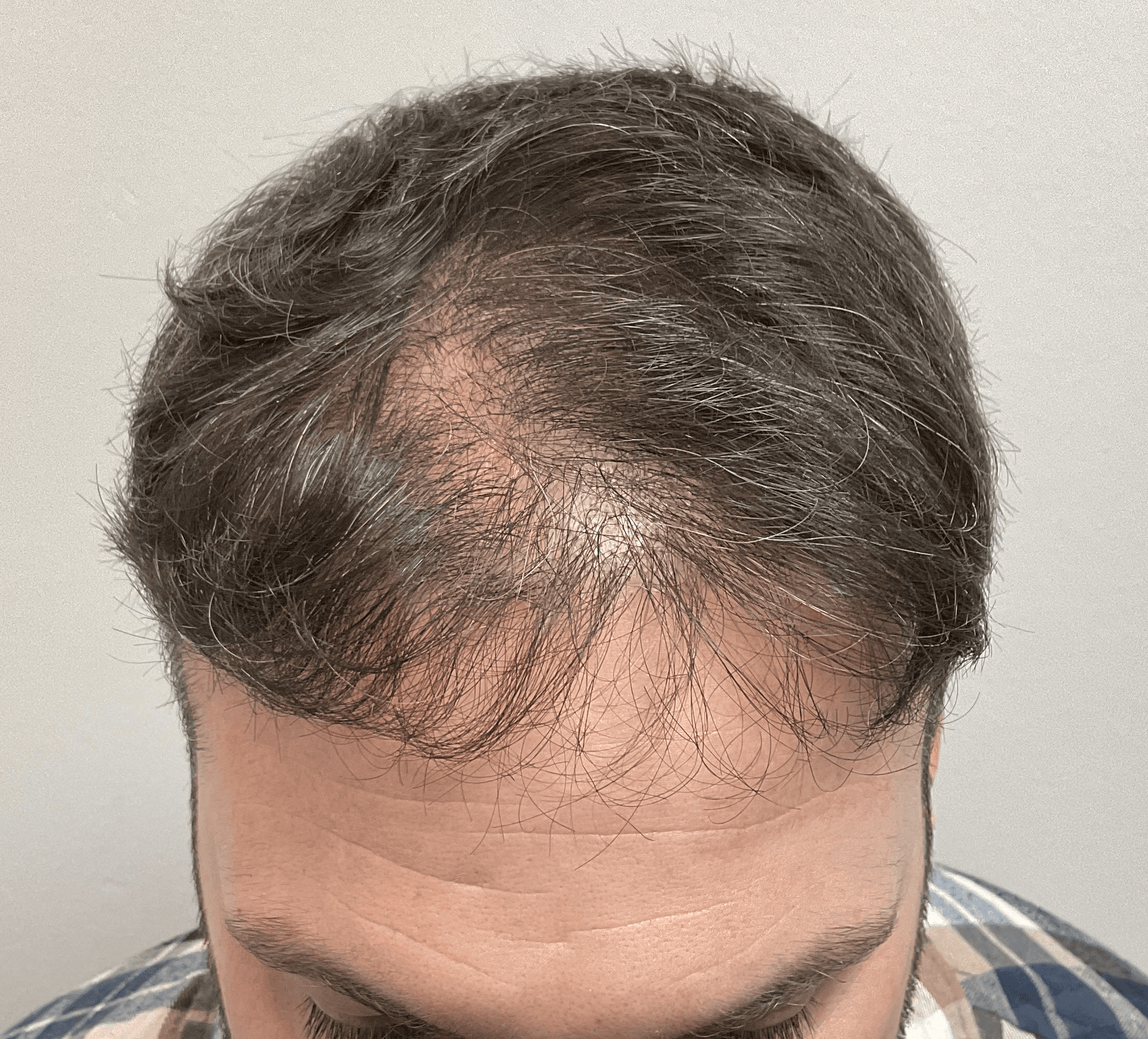
Anton's FUE Hair Transplant Result
 Performed By Dr. Raja
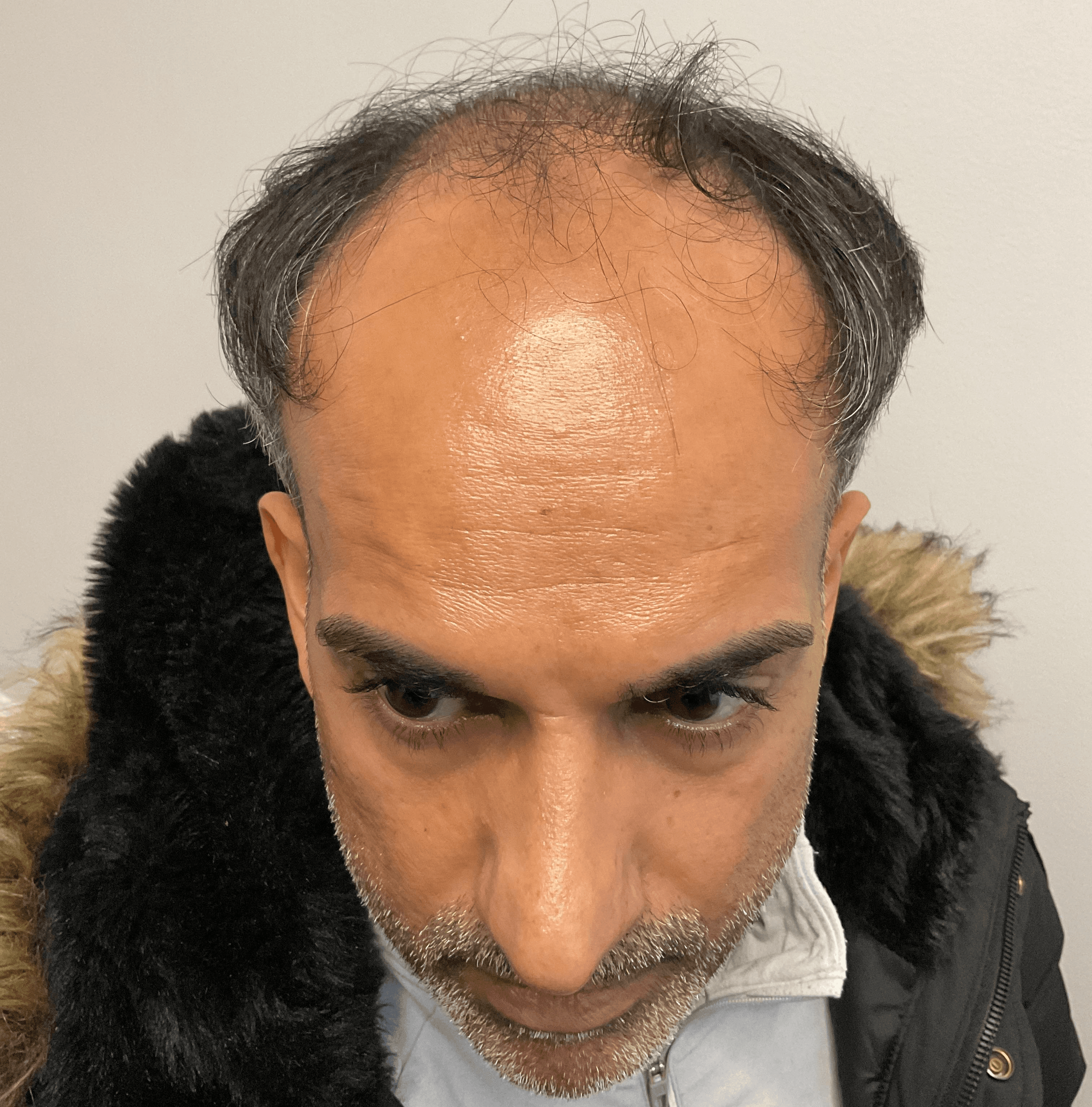
Aman's FUE Frontal Reconstruction
Performed By Dr. Raja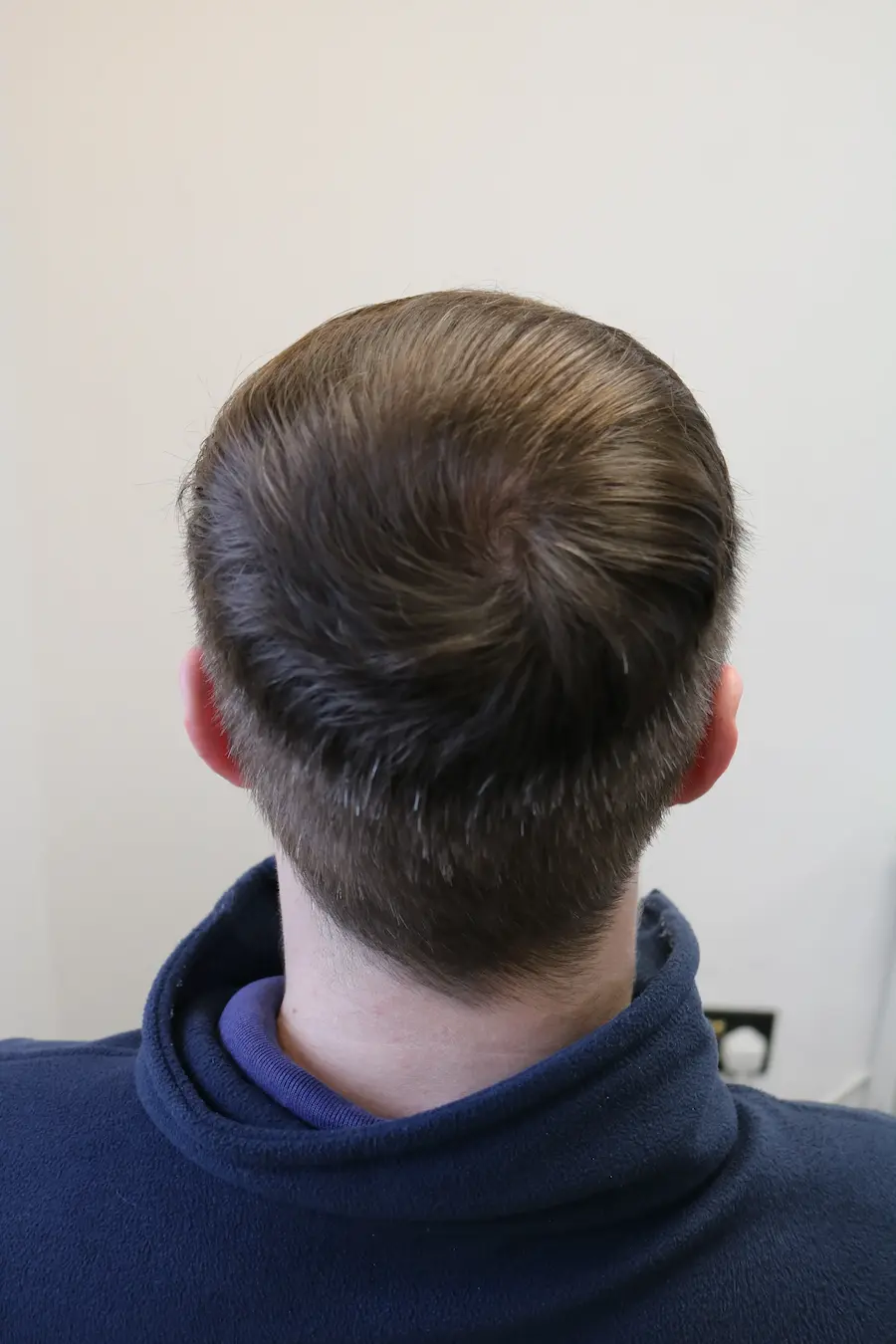
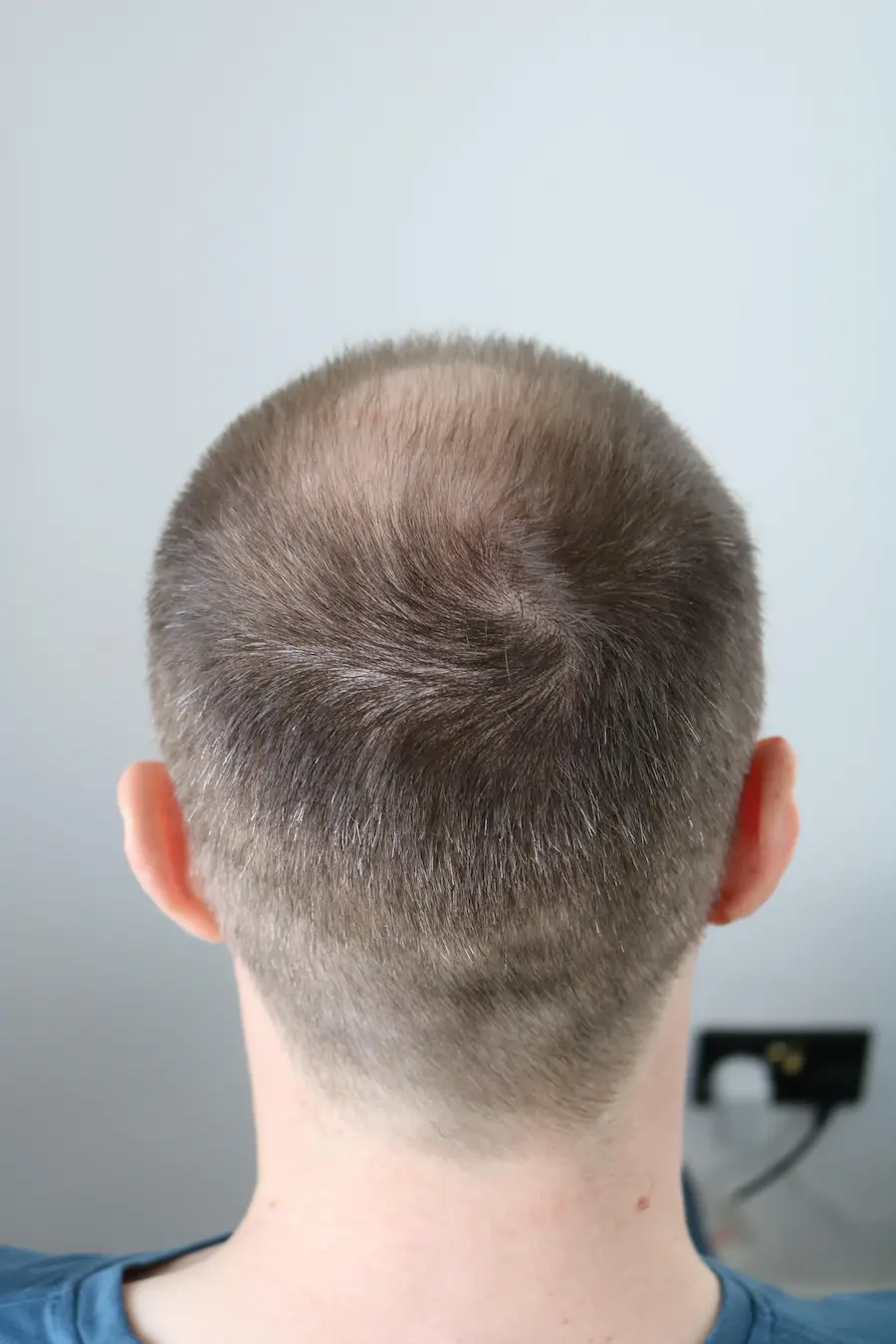
David's FUE Crown Result
Performed By Dr. Raja

David's FUE Hair Transplant Result
Performed By Dr. Raja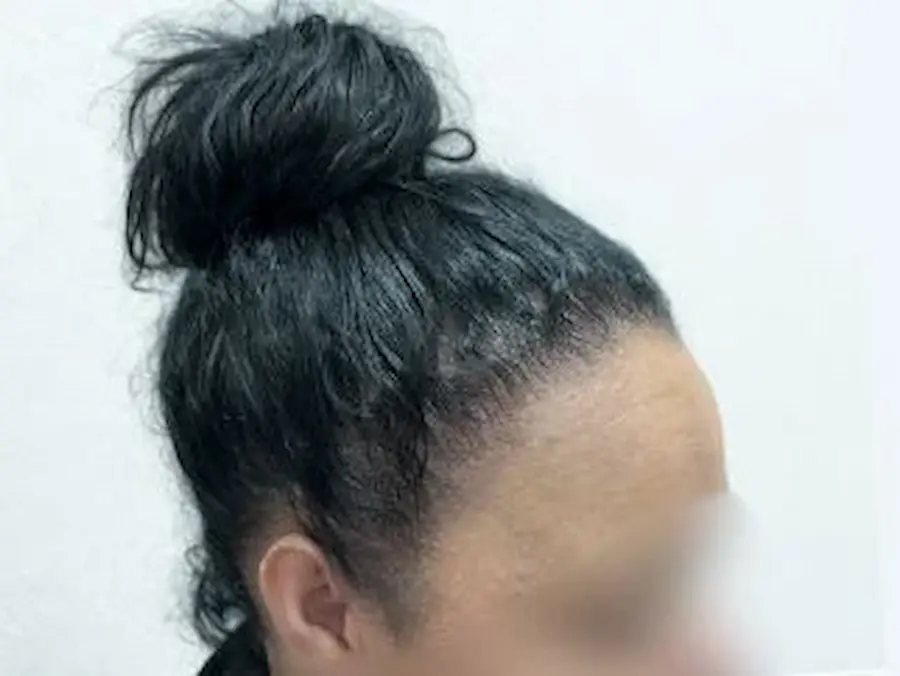

Female FUT Hair Transplant
Performed By Dr. Raja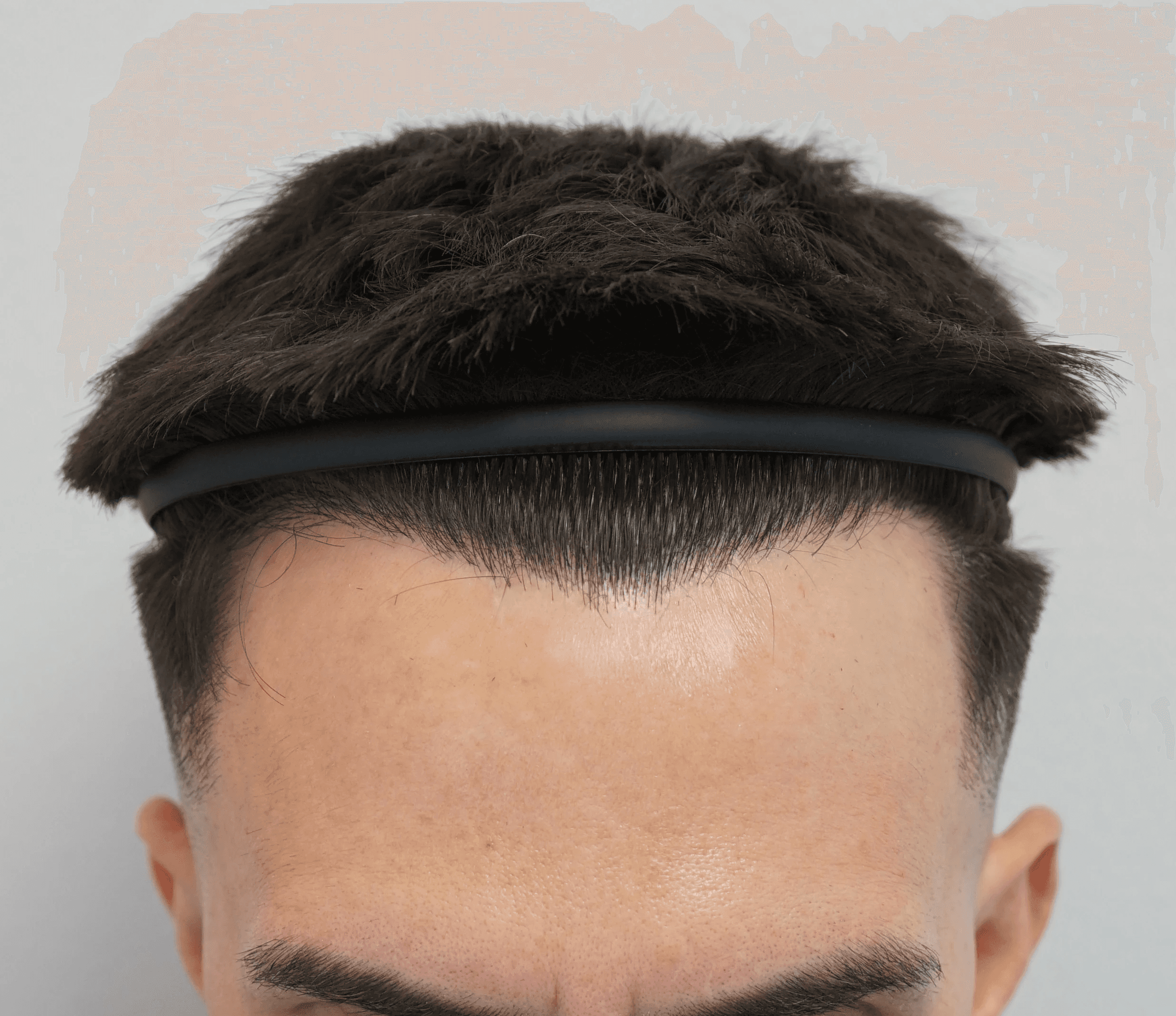

Thomas's FUE Hair Transplant
Performed By Dr. Raja

Liam's FUE Hair Transplant
Performed By Dr. RajaWhat Is PRP Therapy
PRP therapy draws on the body's own regenerative biology. A small blood sample is taken from the arm, spun in a centrifuge to isolate the platelet-rich plasma layer, and reintroduced to the scalp via fine injections at follicular depth. Platelets contain a dense concentration of growth factors — including PDGF, VEGF, and IGF — that signal follicular cells to shift from a resting state back into active growth.
Unlike surgical hair restoration, there are no incisions, no recovery period, and no foreign substances introduced into the body. The entire procedure is completed within a single clinic visit and results accumulate progressively across the treatment course.
How PRP Stimulates Hair Growth
Growth factors within PRP bind to receptors on dermal papilla cells — the primary regulators of the hair follicle — and initiate a cascade of cellular repair and angiogenesis. Clinical evidence shows PRP increases follicular diameter, extends the anagen (active growth) phase, and promotes the transition of miniaturised hairs back toward terminal thickness.
Patients typically observe a reduction in daily shedding within the first four to six weeks, with visible improvements in density and coverage becoming apparent between months two and four. Peak results are generally reached at six months following the completion of the initial course.
The Treatment Session
Step by Step A blood draw of 15–30ml is taken from the arm and placed into a centrifuge for approximately ten minutes. The resulting platelet-rich layer is extracted and loaded into fine syringes for injection. A topical anaesthetic is applied to the scalp prior to treatment to ensure comfort throughout.
Dr Raja administers PRP using a series of precisely placed injections across the affected zone — typically the vertex, mid-scalp, and hairline, adjusted based on the individual pattern of thinning. The session takes 45 to 60 minutes in total. A standard course comprises three to four sessions spaced four to six weeks apart, followed by maintenance treatments every four to six months.
Ideal Candidates for PRP
PRP works best when there are still viable — though dormant — follicles present. It cannot restore hair in areas of complete follicular loss. Suitable candidates include:
Patients with early to moderate androgenetic alopecia (Norwood Grade I–IV)
Those experiencing diffuse thinning across the crown or hairline
Patients with alopecia areata seeking to stimulate regrowth in localised patches
FUE patients looking to support graft survival and post-operative regrowth
Individuals wishing to slow thinning before considering surgical options
Clinical Note: Patients on blood thinners, with active scalp infections, platelet dysfunction, or low platelet counts may not be suitable. A full consultation and blood review is completed before treatment.
Safety Profile & Side Effects
Because PRP is derived entirely from the patient's own blood, the risk of allergic reaction or immune rejection is negligible. The treatment has an extensive safety record across dermatology and hair restoration, spanning over two decades of clinical use.
Common transient effects include mild scalp tenderness, temporary redness, and minor swelling at injection sites — all of which resolve within 24 to 48 hours. There is no downtime and patients may resume normal activities immediately. All treatments are performed under Dr Raja's direct supervision using validated centrifuge systems to ensure consistent platelet concentration and clinical outcomes.
Contact Us
Please fill out the form below